
G.I. Bleeding
Department Areas
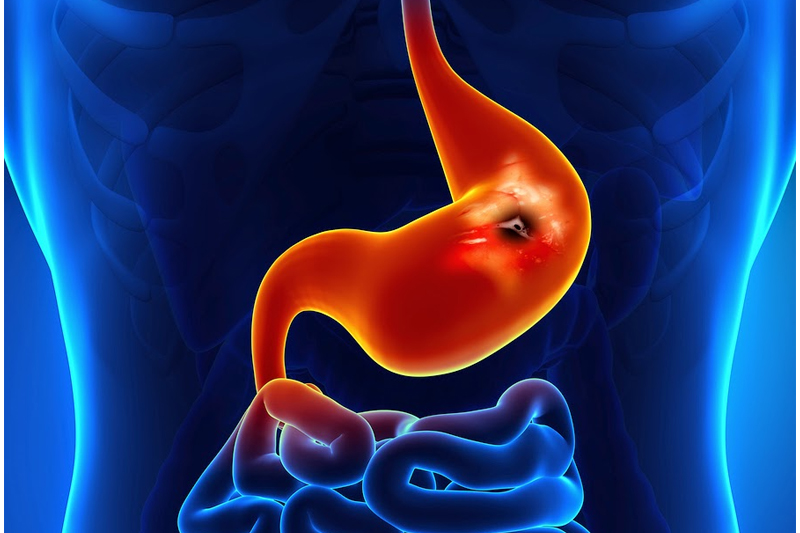
G.I. Bleeding
Gastrointestinal (GI) bleeding is a symptom of a disorder in your digestive tract. The blood often appears in stool or vomit but isn’t always visible, though it may cause the stool to look black or tarry. The level of bleeding can range from mild to severe and can be life-threatening.
Overview
Gastrointestinal (GI) bleeding alludes to any draining that begins in the gastrointestinal tract. Draining may come from any site along the GI tract, yet is frequently separated into:
Upper GI Bleeding: The upper GI tract incorporates the throat (the cylinder from the mouth to the stomach), stomach, and initial segment of the small digestive tract.
Lower GI Bleeding: The lower GI lot incorporates a significant part of the small digestive system, large intestine or entrails, rectum, and anus.
Modern imaging technology, when required, can ordinarily find the reason for the bleeding. Treatment relies upon the wellspring of the bleeding. The execution of GI Bleedings needs a prepared gastroenterologist with mastery in interventional gastroenterology.

Symptoms
How much GI draining might be little to the point that it must be identified on a lab test, for example, the fecal occult blood test. Different indications of GI bleeding include:
- Dark, Black stools
- Bigger measures of blood passed from the rectum
- Modest quantities of blood in the latrine bowl, on tissue, or in streaks on stool (excrement)
- Vomiting blood
- Heavy draining from the GI plot can be risky.
In any case, even tiny measures of draining that happen over a significant stretch of time can prompt issues, for example, paleness or low blood counts.
When a bleeding site is found, numerous treatments are accessible to stop the draining or treat the reason
Our Services
Center for Digestive Care had overseen many such cases and is prepared in all ranges of abilities expected for the board of GI Bleeding..
Diagnosis
Your primary care physician will take a clinical history, including a background marked by past bleeding, lead an actual test and potentially request tests. Tests could include:
imaging tests, such as an abdominal CT scan, might be used to find the source of the bleed.
A differentiation color is infused into a artery, and a progression of X-rays are taken to search for and treat draining vessels or different irregularities.
A particular scope reviews portions of your small digestive tract that different tests utilizing an endoscope can't reach. Once in a while, the source of bleeding can be controlled or treated during this test.
A tube with a light and camera is set in your rectum to take a view at your rectum and the last piece of the digestive organ that prompts your rectum (sigmoid colon).
In this process, you swallow a nutrient size capsule with a small camera inside. The capsule goes through your gastrointestinal system taking a huge number of pictures that are shipped off a recorder you wear on a belt around your midsection. This empowers your doctor to see inside your small digestive system.
This system utilizes a minuscule camera on the finish of a long cylinder, which is gone through your rectum to empower your primary care physician to look at your digestive organ and rectum
This system utilizes a minuscule camera on the finish of a long cylinder, which is gone through your rectum to empower your primary care physician to look at your digestive organ and rectum.
A tube is gone through your nose into your stomach to eliminate your stomach contents. This could assist with deciding the souce of your bleeding.
Investigating your stool can assist with deciding the reason for mysterious bleeding.
You might require a total blood count, a test to perceive how quick your blood coagulations, a platelet count and liver capability tests.