
ERCP
Department Areas
Endoscopic Retrograde Cholangio-Pancreatography (ERCP)
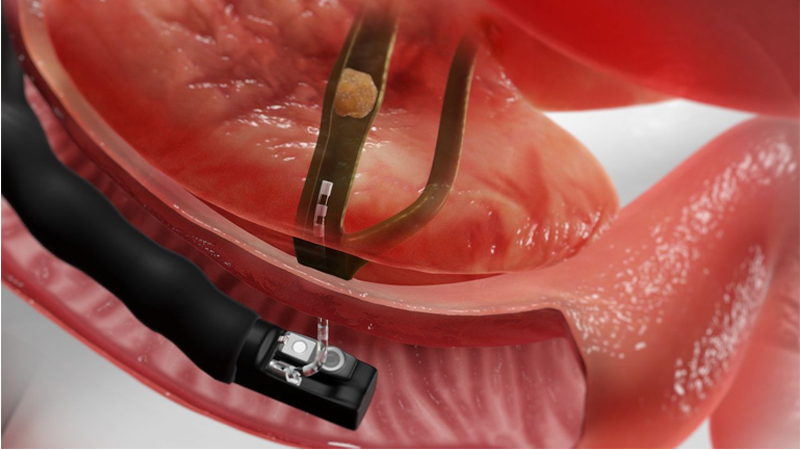
Endoscopic retrograde cholangiopancreatography is a method that consolidates the utilization of endoscopy and fluoroscopy to analyze and treat specific issues of the biliary or pancreatic ductal frameworks
Overview
ERCP is a system that permits your primary care physician to see the little tubes inside your body called the pancreatic and bile channels. These tubes are close to your stomach. They convey stomach related juices from your liver and pancreas to the digestive organs.
For ERCP, your primary care physician utilizes an adaptable lit tube called an “endoscope.” The endoscope, is probably basically as thick as your pointer. It goes through your mouth into your stomach and the initial segment of the small digestive system, called the “duodenum.” Then the specialist puts a tiny, adaptable plastic cylinder through the extension and infuses some color that appears on X-rays. This technique permits your doctor to see the ducts and how well they are functioning.
Why is ERCP is done?
Doctors do ERCP to find and treat issues in the pancreatic conduit and bile channel. For instance, you could have ERCP on the off chance that your primary care physician associates an illness with the pancreas or liver or an issue in the bile conduits. You could likewise have ERCP to find the reason for strange outcomes from a blood test, ultrasound, or CT check or to fix an issue that was distinguished on one of these tests. Lastly, ERCP can assist your primary care physician with choosing if you want a medical procedure and provided that this is true, which medical procedure is ideal.
- Yellow skin or eyes (jaundice), light stool and dim pee
- Stones in the bile or pancreas channel
Our Services
Your doctor could do ERCP previously or after gallbladder medical procedure in unambiguous circumstances. For instance, they can find and eliminate gallstones from the bile channel and now and again from the pancreas. ERCP can likewise assist with tracking down disease or non-malignant sores. On the off chance that your bile pipe is impeded, your doctor can utilize ERCP to place in a little plastic cylinder called a “stent”. This keeps the channel open and stomach related juices streaming. At last, ERCP can help find and treat issues following gallbladder medical procedure. And our doctors help you achieve this process effortlessly
What to Eat After Your Procedure
Most doctors will suggest some sort of ERCP diet for their patients to follow after the procedure. This can assist with facilitating the stomach related process for the patient during the initial days following a method. Accurate eating regimen guidelines shift from one patient to another because of individual ailments.
Most doctors will suggest some sort of ERCP diet for their patients to follow after the procedure. This can assist with facilitating the stomach related process for the patient during the initial days following a method. Accurate eating regimen guidelines shift from one patient to another because of individual ailments.
Numerous doctors suggest an unmistakable clear liquid diet after ERCP to try not to unsettle the pancreas with food processing. Since the pancreas assumes a part in processing, eating after an ERCP might add to complexities like pancreatitis. The proposal time for an unmistakable fluid eating routine fluctuates. A few doctors suggest a reasonable fluid eating routine for 24 hours after the strategy. Notwithstanding, a few doctors suggest it for 12 hours or less.
Nil per os (NPO) is a clinical guidance that encourages patients to keep from eating food varieties and liquids. The patient's suggested diet might incorporate NPO for shifted length. The suggestion for NPO fluctuates in much the same way to the proposal for a reasonable fluid eating regimen. This ERCP diet suggestion regularly goes from a couple of hours to 24 hours after the system.