
Fecal Evacuation Disorder
Department Areas
Fecal Evacuation Disorder
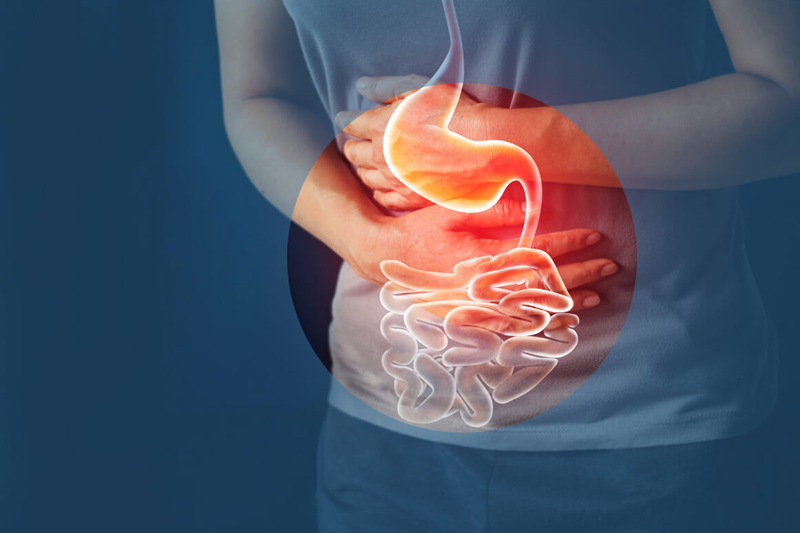
Constipation or fecal evacuation disorder is an exceptionally normal gastrointestinal system condition that distresses many individuals and the reason isn’t clear all the time.
Overview
Constipation or fecal evacuation disorder is an exceptionally normal intestinal system condition that distresses many individuals and the reason isn’t clear all the time. Likewise, the time between defecations can shift from one individual to another and the vast majority experience this issue sooner or later of time in their lives. On the off chance that an individual goes for at least three days without a solid discharge, it – might be viewed as an issue.
Other than diminished defecations, different side effects could incorporate stressing, hard/compacted stools, swelling and a sensation of completion in spite of solid discharge. Causes could cover a large number of variables like diabetes, unreasonable caffeine consumption, changes in food propensities, low fiber diet, low water consumption, a lot of dairy, meds like antidepressants, opiates, and, surprisingly, iron pills.
At the opposite end of the range, conditions like irritable bowel syndrome, ulcerative colitis, anal fissures, injuries in the gastrointestinal system, Crohn’s illness, colon disease, issues with nerves and additionally muscles associated with the stomach related framework and even hypothyroidism could bring about this mysterious condition. Different causes could be uncoordinated muscles in the pelvic area, pregnancy, and slow digestion. fecal evacuation disorder is a condition which influences more established grown-ups and some of the time even impaired individuals. It happens when they don’t get sufficient food and exercise or even water. Specialists might propose the utilization of enemas and sitz showers to help break and delivery hard stools.
Diagnosis:
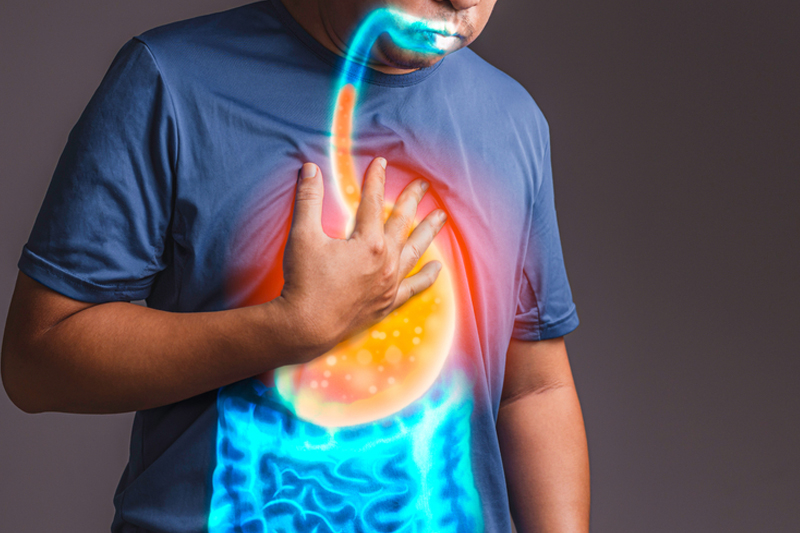
Doctors typically direct an overall physical check and a rectal test and in the event that the causes are not exceptionally clear, they prescribe the accompanying tests to find out – what’s causing the side effects.
- Blood tests
- Endoscopy
- Colonic transit tests
- Colonoscopy
- Anal and sphincter muscle function
- Barium test for intestinal muscle dysfunction
As a piece of the general examination, make sure to enlighten your primary care physician concerning any of the side effects recorded underneath, before tests can be requested.
- Pain in the abdomen
- Cramps
- Bloating, nausea, and vomiting
- Medications and/or laxatives currently being used
- Diet and any new diet changes
- Blood in the stools
Our Service: Best Endoscopy in Gurgaon
Get Fecal Evacuation Disorder treatment in Gurgaon by best gastroenterologists in Gurgaon. Center for Digestive Care have exceptionally skilled gastroenterologist and is equipped for the board of all GI related diseases. We are one of the Best Gastroenterologist in Gurgaon. We have qualified doctors with different walks of life to treat your disease in the best way.
What to do in case of Fecal Evacuation Disorder?
As a rule, Fecal Evacuation Disorder can be treated by making some way of life changes like drinking more water, particularly warm liquids in the first part of the day. By eating more products of the soil, wheat oat and even prunes, the intestinal system can stimulated into work regularly. Lessening caffeine admission also as dairy can help hugely. Practicing and remaining active likewise assumes a critical part in warding off constipation and working on your general wellbeing..
Obviously, there is the clinical choice to take laxatives to assist with constipation. This is a choice accessible to everybody. There are numerous non-prescription drugs promptly accessible. In any case, you shouldn’t accept any medicine without having talked with a specialist or drug specialist on which prescription will suit your ailment the best, the measurements and how lengthy to take it for. Try not to keep down the desire to go to the restroom as this can create some issues in the long haul..
In the event of issues with pelvic muscles, specialists can assist with biofeedback preparing programs where a patient is educated to loosen up which thus assists with defecations. Medical procedure might be one more choice for the individuals who have attempted obstruction related therapies with practically no reassuring advancement or great outcomes. As a component of the medical procedure process, there – is compelling reason need to eliminate the whole colon, just a piece of it can help in treating the condition.
What to ask Your Doctor?
Most doctors will suggest some sort of ERCP diet for their patients to follow after the procedure. This can assist with facilitating the stomach related process for the patient during the initial days following a method. Accurate eating regimen guidelines shift from one patient to another because of individual ailments.
Numerous doctors suggest an unmistakable clear liquid diet after ERCP to try not to unsettle the pancreas with food processing. Since the pancreas assumes a part in processing, eating after an ERCP might add to complexities like pancreatitis. The proposal time for an unmistakable fluid eating routine fluctuates. A few doctors suggest a reasonable fluid eating routine for 24 hours after the strategy. Notwithstanding, a few doctors suggest it for 12 hours or less.
Nil per os (NPO) is a clinical guidance that encourages patients to keep from eating food varieties and liquids. The patient's suggested diet might incorporate NPO for shifted length. The suggestion for NPO fluctuates in much the same way to the proposal for a reasonable fluid eating regimen. This ERCP diet suggestion regularly goes from a couple of hours to 24 hours after the system.
Nil per os (NPO) is a clinical guidance that encourages patients to keep from eating food varieties and liquids. The patient's suggested diet might incorporate NPO for shifted length. The suggestion for NPO fluctuates in much the same way to the proposal for a reasonable fluid eating regimen. This ERCP diet suggestion regularly goes from a couple of hours to 24 hours after the system.