
(GERD)
Department Areas
Gastroesophageal Reflux Disease (GERD)
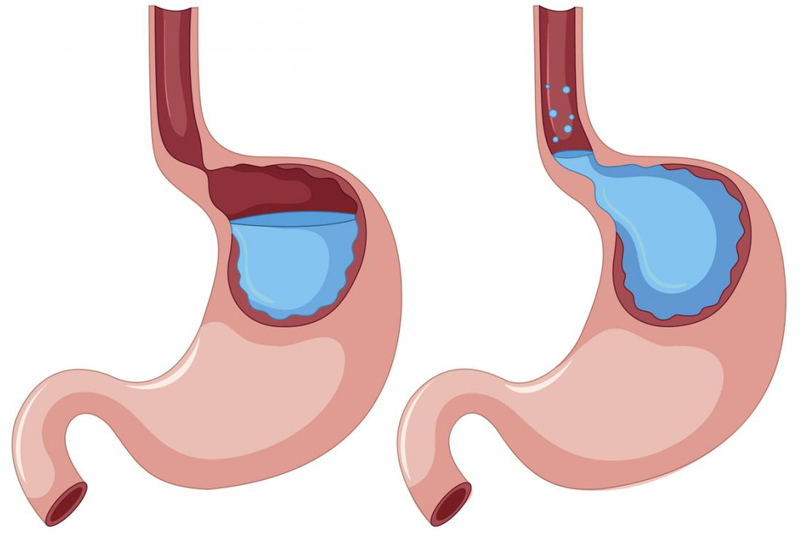
GERD (gastroesophageal reflux disease) is a digestive disorder that occurs when gastric acid from your stomach flows back into your food esophagus.
GERD (gastroesophageal reflux disease) is a digestive disorder that occurs when gastric acid from your stomach flows back into your food esophagus.
This chronic condition develops when bile or stomach acid enters the food pipe and irritates the lining. GERD may be indicated by frequent heartburn and acid reflux. Burning chest discomfort, which usually gets worse when you lie down, is one of the symptoms. Changes in lifestyle and over-the-counter medications typically only provide brief relief. Perhaps a stronger medicine is needed.
- 1. What causes GERD?
- 2. Diet and Lifestyle Changes
- 3. Complications of GERD
- 4. When to see a doctor
- 5. Symptoms of GERD
- 6. GERD Diagnosis
1. What causes GERD?
When stomach acid backs up into your food pipe, it causes GERD (esophagus).
To allow food to pass from the bottom of the esophagus into the stomach, a muscle at the bottom of the esophagus expands. And to keep food in the stomach, it shuts. The lower esophageal sphincter is the name of this muscle (LES). Acid backs up into your esophagus when your LES relaxes too frequently or for too long. This damages the stomach and creates heartburn.
Some lifestyle issues that can cause GERD may include:
- 1. Being overweight
- 2. Overeating
- 3. Eating foods such as citrus, chocolate, and fatty or spicy foods
- 4. Having caffeine
- 5. Having alcohol
- 6. Smoking
- 7. Take aspirin as well as over-the-counter pain and fever relievers. Nonsteroidal anti-inflammatory medicines (NSAIDs) such as ibuprofen and naproxen are among them.
2. Diet and Lifestyle Changes
- To assist minimize your GERD symptoms, doctors advise you to undertake a number of lifestyle adjustments.
- Meals and drinks that can relax the LES should be avoided, such as chocolate, peppermint, fatty foods, coffee, and alcoholic beverages. If you experience symptoms, you should also stay away from foods and drinks that can irritate a damaged esophageal lining, such as citrus fruits and juices, tomato products, and pepper.
- Consume fewer servings: Smaller meal quantities may also aid in symptom control. Additionally, eating meals at least two to three hours before going to bed allows your stomach’s acid to subside and allows your stomach to partially empty.
- Eat gradually: At each meal, savour it thoroughly.
- If you put your fork down after each bite, it could help you remember to chew your food fully. Once you’ve fully chewed and swallowed that bite, pick it back up.
- Quit smoking: Smoking cigarettes weakens the LES. To lessen the symptoms of GERD, quit smoking.
- Elevate your head: Using 6-inch blocks to raise the head of your bed or resting on a wedge with a certain shape can allow gravity to minimise the reflux of stomach contents into your oesophagus. Don’t support yourself with pillows. The stomach merely feels additional pressure as a result.
- Keep your weight in check; being overweight frequently makes symptoms worse. When they lose weight, many overweight persons experience relief.
- Wear loose clothing since tight clothing puts pressure on your stomach and lower oesophagus.
- Acupuncture may also help.
3. Complications of GERD
- Esophagitis – This is an esophageal irritation brought on by the acid in your stomach’s contents.
- Esophageal narrowing – Also known as strictures, . This may make swallowing difficult.
- Breathing issues – When stomach contents from your oesophagus enter your lungs, this occurs..
- Esophageal Barrett’s – Your esophageal lining is impacted by this. It may occasionally result in esophageal cancer.
4. When to see a doctor
- Your GERD symptoms don’t improve or worsen with treatment.
- You’ve got fresh symptoms.
- You begin to throw up..
- You have lost weight against your will..
- It hurts or is difficult for you to swallow.
- You have a recent cough or breathing issues.
- You occasionally vomit or urinate small amounts of blood..
5. Symptoms of GERD
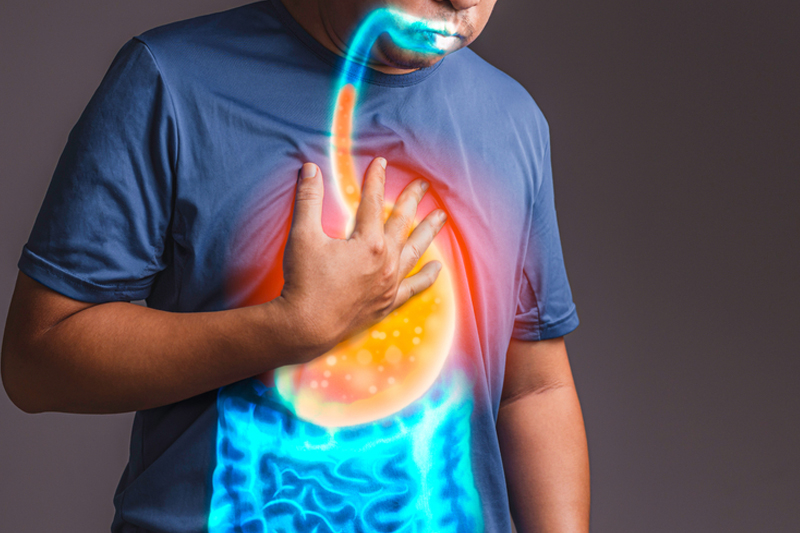
- Burning sensation in your chest that typically occurs after eating and may be worse at night or while you’re lying down.
- Backwash (regurgitation) of food or sour liquid.
- Chest discomfort or upper abdominal ache.
- Difficulty swallowing (dysphagia).
- Feeling of having a lump in your throat
Your primary care physician embeds a slender, adaptable tube outfitted with a light and camera (endoscope) down your throat, to look at within your throat and stomach. Test results can frequently be typical when reflux is available, however an endoscopy might identify irritation of the throat (esophagitis) or different entanglements. An endoscopy can likewise be utilized to gather an example of tissue (biopsy) to be tried for inconveniences like Barrett's throat.
X-rays are taken after you drink a pasty fluid that coats and fills within covering of your intestinal system. The covering permits your doctor to see an outline of your throat, stomach and upper digestive tract. You may likewise be approached to swallow a barium pill that can assist with diagnosing a restricting of the throat that might slow down gulping.